
Kid-Friendly Tea Recipes
📖 Table of Contents
- Why Tea is a Powerful Educational Tool for Kids
- How to Set Up a Kid-Friendly Tea Party
- Introducing Counting and Sorting with Tea Elements
- Encouraging Creativity and Storytelling Through Tea Play
- Developing Fine Motor Skills with Tea Activities
- Social Skills and Emotional Development Through Tea Play
- How to Make Tea Play Inclusive for All Kids
- Make It Your Way
- Frequently Asked Questions
I remember the first time my daughter asked for a 'tea party' — not with cups of water and pretend cookies. With actual tea, a few carefully chosen props, and a sense of ceremony that felt oddly profound. It wasn’t about the tea itself, but the way it brought her into a world of imagination, creativity, and social interaction. That moment sparked something in me — a realization that tea, when framed properly, could be a powerful tool for learning and development. And since then, I've been exploring ways to make tea a fun, educational activity for kids.[1]
Tea isn’t just for adults sipping Earl Grey in front of a fire. For kids, especially those in early education settings, tea can become a gateway to learning about social skills, sensory exploration, and even basic math. I began experimenting with simple, kid-friendly tea rituals, and the results were surprising. What started as a few cups of hot water and a handful of loose-leaf herbs turned into a full-fledged educational activity that kids loved. It wasn’t just about the ritual — it was about the engagement, the curiosity, and the tiny moments of learning that happened along the way.[2]
So, if you're looking for a way to bring a little magic into your classroom or home, kid-friendly tea recipes might be just what you need. These aren’t recipes for actual tea in the traditional sense, but rather structured, engaging activities that use the idea of tea as a framework for learning. Whether it's counting the number of leaves in a cup, practicing turn-taking during a 'tea party,' or exploring colors and textures, the possibilities are endless — and the benefits are real.[3]
Why You'll Love This Educational Activity
- Boosts social skills through pretend play and role-playing scenarios.
- Encourages sensory exploration with loose-leaf herbs, colors, and textures.
- Supports fine motor development through pouring, stirring, and arranging items.
- Introduces basic concepts like counting, sharing, and turn-taking.
Why Tea is a Powerful Educational Tool for Kids
As of August 2026, Tea is more than just a drink — it's an experience. When used in an educational context, it becomes a platform for learning through play. Kids can practice social skills like turn-taking, listening, and sharing during a pretend tea party. They can also explore concepts like counting by placing a certain number of leaves in a cup, or identifying colors and textures through sensory engagement.[4]
I’ve noticed that kids who engage in these tea-based activities tend to be more engaged in other learning tasks as well. It’s like a warm-up for the brain — a way to activate curiosity, creativity, and social awareness. And the best part? It’s fun for the kids, which makes the learning stick.
In my experience, the combination of routine, repetition, and pretend play has helped kids retain skills better than traditional teaching methods. It’s not just about what they learn, but how they feel about learning.
Loose-leaf herbs like chamomile, mint, and rosemary offer a variety of textures and scents that kids can explore while pretending to make tea.
Part of our Teaching kitchen guide.
How to Set Up a Kid-Friendly Tea Party
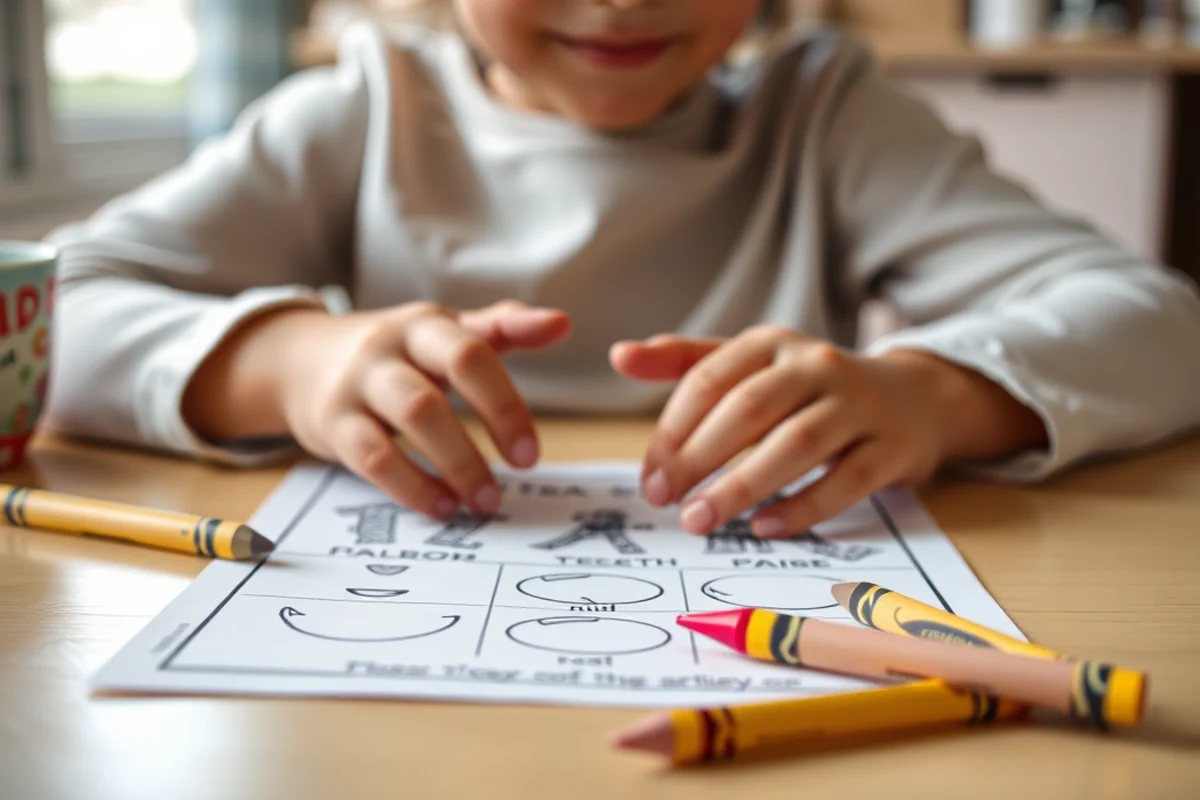
Setting up a kid-friendly tea party doesn’t require much — just a small table, a few cups, and a selection of loose-leaf herbs. I like to use cups with handles and lids to make pouring and holding easier for small hands. The herbs should be safe for sensory play and free from any harmful elements.
Including a few props like tiny spoons, napkins, and small plates can add to the immersive experience. I also like to place a few books nearby that feature tea parties or other pretend scenarios. These help spark ideas and encourage storytelling.
The key is to make the setup feel like a real event — a place where kids can be themselves, engage with others, and explore their creativity. It’s a small but powerful way to bring a sense of ceremony and structure to play.
A little ceremony goes a long way in engaging young learners.
Related: Easy kids recipes no oven
Related: Easy recipes for children s tiffin
Related: Teaching kitchen greenroots
Related: Teaching kitchen design
Related: Teaching kitchen grants
Introducing Counting and Sorting with Tea Elements
One of my favorite ways to use tea in an educational setting is to teach counting and sorting. I like to have kids count the number of leaves in a cup, or sort them by color, size, or texture. This helps reinforce basic math concepts in a fun, hands-on way.
I’ve also used tea leaves as a way to teach kids about patterns and sequences. For example, they can arrange the leaves in a specific order or create a repeating pattern. This helps develop early math skills like sequencing and pattern recognition.
The best part about using tea for counting and sorting is that it keeps kids engaged and interested. It’s not a typical math lesson — it’s a playful way to learn that feels natural and fun.
Setting a timer for 10 minutes can help kids stay focused and complete a task without feeling overwhelmed or rushed.
“I remember the first time my daughter asked for a 'tea party' — not with cups of water and pretend cookies, but with actual tea…”— Teaching Cooking to Kids editors
Encouraging Creativity and Storytelling Through Tea Play
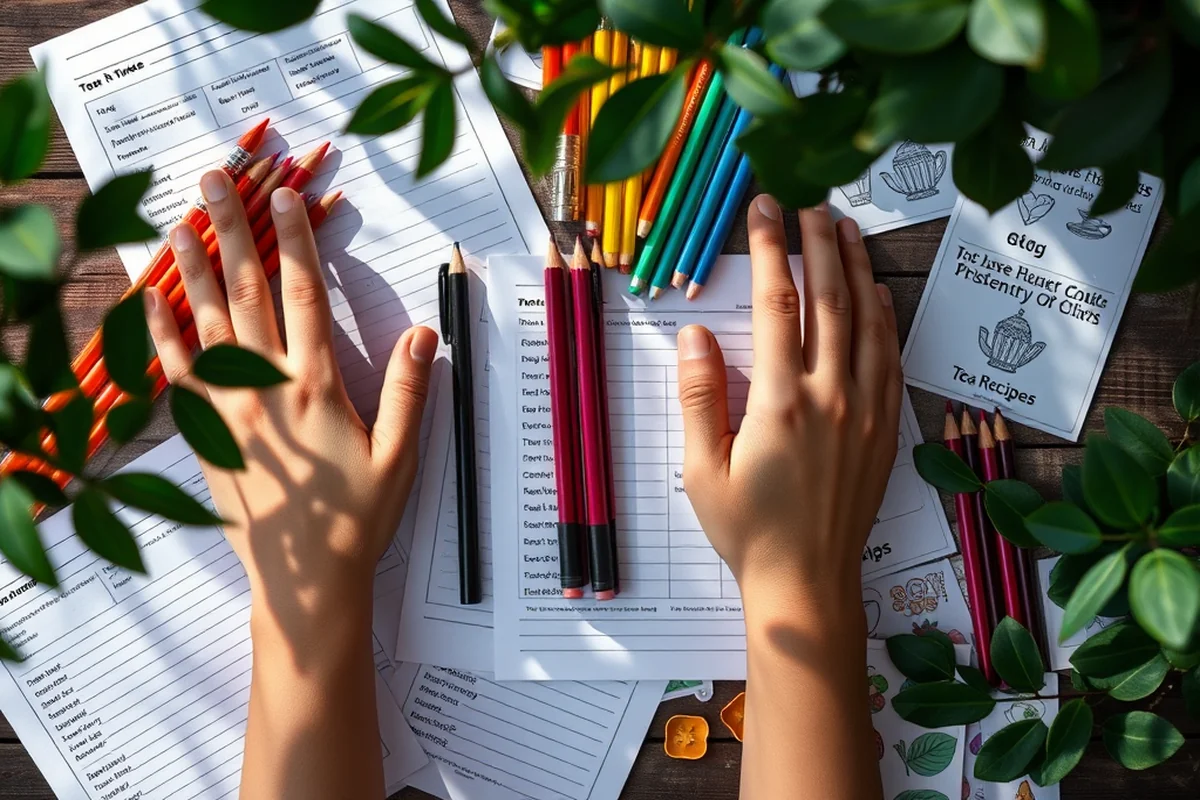
Tea play is a natural catalyst for storytelling and creativity. Kids can create their own stories about where the tea came from, who is serving it, or what happens next. I’ve seen kids invent entire worlds with their tea parties, complete with characters, settings, and even conflicts.
I often encourage kids to use their imagination by asking questions like, 'What kind of tea is this?' or 'Where do you think these herbs came from?' This helps them think critically and express their ideas in a safe, creative space.
Storytelling through tea play also helps develop language skills, as kids learn to describe their actions, express their thoughts, and communicate with others. It’s a win-win for both creativity and language development.
Developing Fine Motor Skills with Tea Activities
Fine motor skills are essential for writing, drawing, and other developmental milestones. Tea activities provide a unique way to practice these skills through pouring, stirring, and arranging items. I’ve noticed that kids who engage in these activities tend to have better control over their hands and fingers.
Pouring tea from one cup to another helps develop hand-eye coordination, while stirring with a small spoon or stick strengthens the muscles in the hands and fingers. Arranging loose-leaf herbs or placing them in a cup also helps build dexterity and control.
I’ve also seen kids improve their grip strength and finger control through these activities. It’s a subtle but powerful way to support their physical development through play.
Social Skills and Emotional Development Through Tea Play
Tea play is a great opportunity to teach social skills like turn-taking, sharing, and listening. Kids can practice these skills by taking turns pouring tea, sharing herbs, or listening to each other’s stories. I’ve seen kids who are shy become more confident and outgoing during these activities.
I also like to use tea play to teach empathy and emotional regulation. For example, I might ask kids to imagine how someone else might feel if they didn’t get a turn, or to think about how they can show kindness during a tea party. These discussions help build emotional intelligence in a natural, engaging way.
The social interactions that happen during tea play are often the most valuable part of the activity. Kids learn to communicate, collaborate, and connect with each other — all while having fun.
Tea play isn’t just about the tea — it’s about the people.
How to Make Tea Play Inclusive for All Kids
Inclusive education is about making sure every child has the opportunity to participate and learn. Tea play can be adapted to meet the needs of children with disabilities or learning differences by making adjustments to the setup and activities. For example, using larger cups and utensils for kids with fine motor challenges can help them participate more easily.
I’ve also found that visual supports, like picture cards or step-by-step guides, can help kids with learning differences understand the activity and stay on task. These supports make the activity more accessible and engaging for all children.
The most important thing is to create a welcoming and inclusive environment where every child feels valued and supported. Tea play can be a powerful tool for promoting inclusion and belonging.
👶 Younger Kids (Ages 2-3)
Simplify the activity with larger cups and visual aids to help younger kids engage and participate.
👧 Older Kids (Ages 5-7)
Introduce more complex tasks like counting, sorting, and storytelling to challenge and engage older children.
⏳ No-Prep Version
Use items already on hand, like cups, spoons, and loose-leaf herbs from the kitchen, to create a quick and easy tea play activity.
👫 Group Version
Set up multiple stations with different herbs and props to encourage collaboration and interaction among groups of kids.
📚 Extension Activity
Combine tea play with a storytelling or art activity to deepen learning and engagement.
| The mistake | Why it happens | The fix |
|---|---|---|
| Using real tea instead of safe, sensory-friendly herbs. | Real tea can be unsafe for young children, especially those under the age of 5, and may cause choking or other health risks. | Use safe, sensory-friendly herbs like chamomile, mint, or rosemary that are non-toxic and easy to handle. |
| Not providing enough supervision during the activity. | Tea play involves small objects and loose-leaf herbs that can be a choking hazard if not properly supervised. | Always supervise children during the activity and ensure that all materials are safe and appropriate for their age. |
| Focusing too much on the task and not enough on the social interaction. | Tea play is not just about the activity itself — it’s also about the social and emotional development that comes from it. | Encourage social interaction by asking open-ended questions and allowing kids to engage with each other naturally. |
| Ignoring the individual needs of each child. | Every child is different, and some may need more support or modifications to fully engage in the activity. | Be flexible and make adjustments to the activity based on the needs of each child. This ensures that everyone can participate and learn at their own pace. |
Kid-Friendly Tea Recipes
Common Questions
What age is this activity best suited for?
How long should a tea play session last?
What if my child is shy or doesn’t want to participate?
Can this activity be used in a classroom setting?
References
- Director's Update, December 1, 2024 - the City of Cambridge (cambridgema.gov)
- colchester - parks & recreation (colchestervt.gov)
- Fort Smith Public Library (fortsmithar.gov)
- Nez Perce (Nee-Me-Poo) National Historic Trail | Just for Kids (fs.usda.gov)
Cite this guide
Teaching Cooking to Kids (2026). Kid-Friendly Tea Recipes. https://mealnurture.com/kid-friendly-tea-recipes/
Feel free to cite or share this guide.