
Kids Teaching Kids
📖 Table of Contents
With 'kids teaching kids,' the concept is both simple and powerful — it leverages the natural curiosity and peer influence of children to foster learning in a way that is engaging and effective. Whether it's through peer tutoring, group projects, or collaborative learning, the idea that children can teach one another is not only possible but increasingly common in modern education. This guide explores the many facets of 'kids teaching kids' and provides actionable insights for educators, parents, and young learners alike.
The phrase 'kids teaching kids' may sound unconventional, but it has roots in social learning theory and is supported by research showing that peer-led instruction can enhance understanding and retention. In classrooms, after-school programs, and even informal settings, children are often more willing to engage with their peers than with adults, making this approach a valuable tool for educators. This guide will survey the topic broadly and direct you to deeper resources on specific aspects of this learning model.[1]
From teaching fundamental skills like reading and swimming to addressing behavioral issues like bullying, the 'kids teaching kids' model is versatile and adaptable. We’ll cover key strategies, common pitfalls to avoid, and practical examples of how this model has been successfully implemented. Whether you're a parent, teacher, or a child looking to help others, this guide will provide a clear and actionable roadmap.
Key Takeaways
- Peer-to-peer learning can be highly effective for reinforcing knowledge and improving communication skills.
- When teaching younger children, it's important to use age-appropriate methods and encourage collaboration.
- Kids can be powerful role models — especially in addressing issues like bullying or encouraging healthy habits.
- Balancing structure and freedom in 'kids teaching kids' environments helps maximize learning outcomes.
Teach Kids
As of August 2026, Teaching kids is most effective when done by peers, using relatable language and engaging activities that make learning fun and interactive. This approach capitalizes on the natural tendency of children to learn from and emulate one another. For example, programs like Peer-Assisted Learning Strategies (PALS) have shown that children can teach each other reading skills with high success rates, often outperforming traditional methods in terms of engagement and retention.
According to a 2019 study published in the Journal of Educational Psychology, peer-led instruction can improve literacy rates by up to 30% in elementary school students. This is because children often feel more comfortable asking questions and making mistakes when learning from their peers rather than adults. Also, the social aspect of learning in this way fosters a sense of community and mutual respect among students.[2]
In practice, this model can be used in a variety of settings, such as tutoring sessions, group projects, or classroom activities. When older students teach younger ones, they reinforce their own knowledge while developing leadership and communication skills. This method is especially effective in teaching foundational skills like reading, math, and even life skills such as social etiquette.
Kids Not
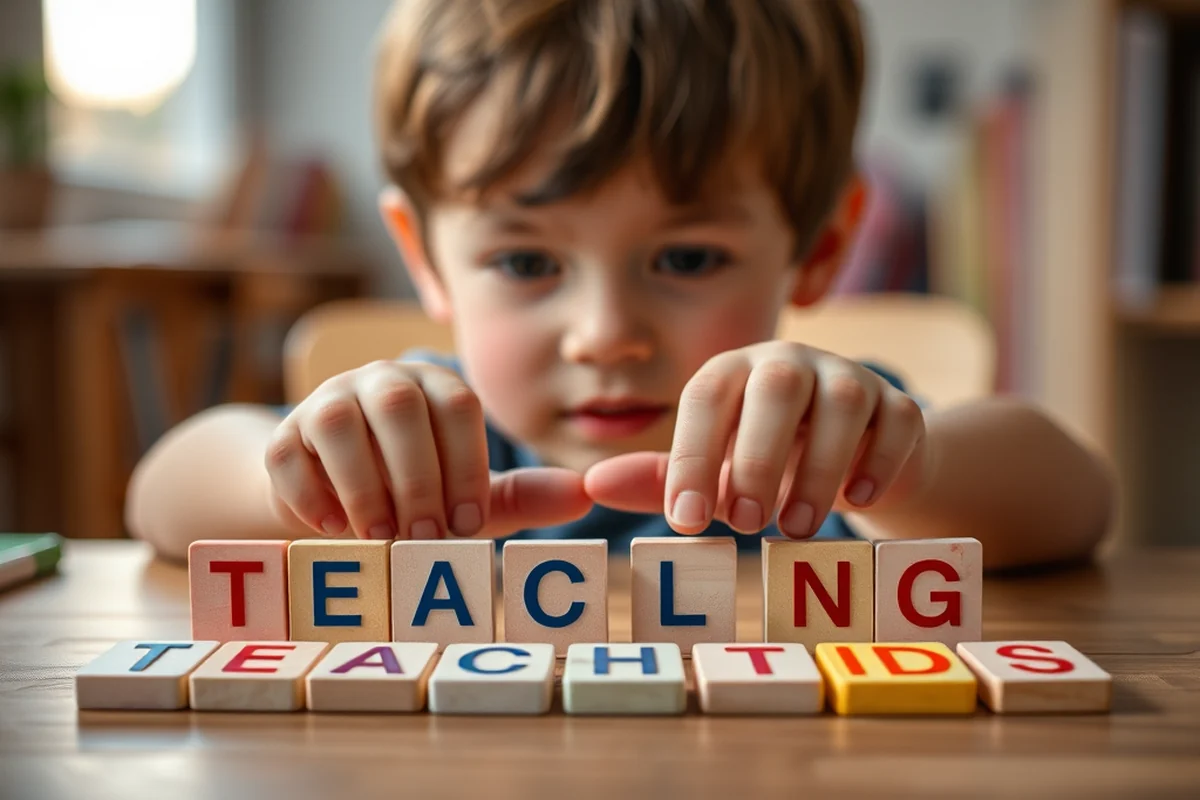
Teaching kids not to engage in harmful behaviors like bullying requires consistent modeling, clear communication, and a supportive environment that encourages positive interactions. Children are highly influenced by the behaviors of their peers, so fostering a culture of kindness and respect is essential. Schools and parents play a crucial role in setting the tone for how kids interact with one another.
According to the National Center for Education Statistics, approximately 20% of students in grades 9-12 report being bullied. This statistic highlights the need for effective anti-bullying programs that involve peer leaders. One successful initiative is the 'Student Ambassador' program, where trained students lead anti-bullying campaigns and mentor their peers on respectful behavior.[3]
When kids are taught by their peers not to bully, the message is more likely to be received and internalized. This approach not only reduces bullying but also builds empathy and social responsibility among students. It's a win-win for both the individuals being taught and the educators facilitating the process.
Related: Teaching Kitchen
Related: Kids To Do Checklist
Related: For Kids Activities
Related: To Kids Drawing
Related: Kids To Baby
Related: Teaching Kitchen Academy
Related: Teaching Kitchen Atlanta
Related: Teaching Kitchen Dimensions
Related: Teaching Kitchen Grants
Related: Kids In Halloween Costumes
Related: Easy Recipes To Make With Kids At School
Related: What'S A Kiddie Pool
Related: Han Of Stray Kids
Related: What Is Children'S Hospital
For Beginners
Teaching kids who are beginners, such as in swimming lessons, requires patience, structured lessons, and a focus on building confidence and foundational skills. This is especially important in activities like swimming, where fear of water can hinder progress. A supportive and encouraging environment is key to ensuring that beginners feel safe and motivated to learn.
According to the American Red Cross, approximately 1 in 5 children under the age of 15 have no swimming skills. This highlights the importance of early swimming instruction and the role that peer mentors can play in helping beginners overcome their fears. Programs that pair experienced swimmers with beginners have been shown to increase participation rates and improve skill acquisition.[4]
For beginners, lessons should be short, engaging, and tailored to their comfort level. Starting with basic water safety, breath control, and floating techniques is essential. As kids gain confidence, more advanced skills such as strokes and treading water can be introduced. This structured, step-by-step approach ensures that beginners can progress at their own pace while staying motivated.
“When it comes to 'kids teaching kids,' the concept is both simple and powerful — it leverages the natural curiosity and peer influence of children…”— Teaching Cooking to Kids editors
Related: Teaching Cooking To Kids
Much

Determining how much lesson time is appropriate for kids depends on their age, attention span, and the subject being taught, but generally, 20-40 minutes per session is ideal for most children. This time frame allows for focused learning without overwhelming young learners. It also provides enough time for hands-on activities, questions, and review.
Research from the National Association for the Education of Young Children suggests that children under the age of 6 can maintain attention for only 10-15 minutes at a time. Therefore, for younger children, lessons should be shorter and more interactive. For older kids, lessons can be extended to 30-40 minutes, especially in subjects that require more concentration.
In practice, educators and parents should observe how long a child can stay engaged and adjust the lesson time accordingly. Short, frequent lessons with breaks in between help maintain focus and prevent burnout. This approach is especially effective in subjects like math, reading, and even physical activities like swimming.
Related: Teaching Kitchen Design
Expert Tips and Advanced Techniques
To enhance 'kids teaching kids' initiatives, educators should first identify clear learning objectives and match them with suitable peer mentors. Structured lesson plans and role-playing scenarios help students understand their teaching responsibilities and build confidence. Incorporating peer feedback mechanisms allows students to refine their teaching skills and learn from one another in a supportive environment.
Advanced techniques include assigning leadership roles within group activities, where students take charge of explaining complex topics to their peers. This encourages critical thinking, public speaking, and empathy. Teachers can also use reflective practices, such as journaling or peer evaluations, to help students internalize their learning and teaching experiences.
Another effective approach is integrating technology tools that allow students to create interactive lessons, videos, or presentations. This not only enhances their digital literacy but also promotes creativity and innovation. By fostering a culture of mutual respect and encouragement, educators can ensure that every child feels empowered to contribute and learn from their peers.
Related: Teaching Cooking Skills To Kids
Tools, Materials and Resources
Educators can utilize visual aids such as flashcards, posters, and diagrams to help students explain concepts more clearly. Digital tools like interactive whiteboards, tablets, and educational apps provide engaging ways for students to create and deliver lessons. These resources make complex topics more accessible and interactive for both the teaching and learning students.
Hands-on materials such as manipulatives, models, and craft supplies enable students to demonstrate concepts through physical activities. Storybooks, audiobooks, and multimedia resources can also inspire creative teaching methods, especially for younger learners. These materials help students connect abstract ideas to real-world examples and foster deeper understanding.
Online platforms and educational websites offer a wealth of resources, including lesson plans, teaching guides, and peer-to-peer learning tools. Teachers can also use social media groups, video conferencing tools, and collaborative platforms to facilitate remote or hybrid 'kids teaching kids' sessions. These resources ensure that learning remains flexible, inclusive, and accessible to all students.
Troubleshooting and Common Questions
One of the most common issues is keeping students engaged during lessons. Young instructors may struggle to maintain the attention of their peers, especially if the content is too advanced or not interactive enough. Incorporating games, group activities, and multimedia tools can help sustain interest and encourage active participation from both the teachers and the students.
Another challenge is ensuring that the teaching children have a solid understanding of the material they are responsible for conveying. This can be addressed through pre-teaching sessions, peer mentoring, and access to supplementary learning materials. It is also important to provide ongoing support and feedback to help young educators build confidence and refine their teaching skills.
Logistical challenges, such as scheduling, classroom management, and resource allocation, can also hinder the success of 'kids teaching kids' programs. Clear communication, structured lesson plans, and collaboration between educators and parents can help streamline these processes. By addressing these common issues proactively, programs can create a more effective and sustainable learning environment for all participants.
Getting Started: Your First Steps
Start by identifying a topic that students are passionate about and that aligns with the curriculum. This will increase their motivation and willingness to take on the role of a teacher.
Next, pair students with similar interests or skill levels. This helps build confidence and encourages effective communication, making the teaching process more natural and engaging.
Finally, provide training and support to both the students who are teaching and those who are learning. Offer guidance on how to structure lessons, ask questions, and provide feedback to ensure a positive and productive experience.
🌱 Beginner
The simplest version — minimal supplies, quick win.
💰 Budget
Same result using what you already have.
⚡ Quick
The 10-minute version for busy days.
✨ Advanced
The upgraded version once the basics stick.
| The mistake | Why it happens | The fix |
|---|---|---|
| Overloading kids with too much information at once. | This can overwhelm young learners and reduce their motivation to continue learning. | Break lessons into smaller, manageable chunks and use interactive methods to keep kids engaged. |
| Not providing enough structure or guidance when kids are teaching each other. | Without clear direction, peer teaching can become disorganized and less effective. | Establish clear learning objectives and provide teachers or mentors to guide the process. |
| Ignoring individual differences in learning styles and paces. | This can leave some students behind and create frustration among learners. | Use a variety of teaching methods and allow students to learn at their own pace with appropriate support. |
kids teaching kids
Common Questions
When should kids start learning letters?
How can kids be taught not to bully?
How can kids beginners learn to swim?
How long should a lesson be for kids?
References
- Teaching Kids Healthy Ways of Communication: A Path to Stronger ... (aiu.edu)
- Teaching children appropriate language: Part 1 - Child & Family ... (canr.msu.edu)
- Child Development Data and Statistics | Child Development | CDC (cdc.gov)
- 6 Ways You're Teaching Your Kids Relationship-Killers (cmr.biola.edu)
Cite this guide
Teaching Cooking to Kids (2026). Kids Teaching Kids. https://mealnurture.com/kids-teaching-kids/
Feel free to cite or share this guide.