
Teaching Kitchen Architecture
📖 Table of Contents
- What Is Kitchen Architecture?
- The Role of Pretend Play in Learning
- How to Get Started with Kitchen Architecture
- The Cognitive Benefits of Kitchen Architecture
- Kitchen Architecture and Early Literacy
- Kitchen Architecture and Social Development
- Making It Last: How to Encourage Ongoing Engagement
- Make It Your Way
- Frequently Asked Questions
I remember the first time I watched my daughter build a cardboard 'kitchen' in her bedroom — it was messy, it was loud, and it was pure joy. She had no idea she was learning the foundations of spatial reasoning, planning, and even early literacy. What she was doing, in that moment, was engaging in what I now call 'kitchen architecture' — a concept that blends creativity, education, and the simple act of pretending. Teaching kitchen architecture isn’t about making a kitchen; it’s about building a mind.
Kitchen architecture is a form of play that has deep roots in early childhood education. It’s not just about stacking blocks or pretending to cook; it’s about designing spaces, thinking in three dimensions, and understanding the relationship between objects and their surroundings. I’ve seen it transform a child’s thinking, from the way they arrange toys to how they approach problems in school. The lessons learned here are subtle but powerful, shaping how kids perceive the world around them.[1]
The beauty of kitchen architecture is that it doesn’t require expensive materials or complicated instructions. It’s accessible, flexible, and most importantly, it’s fun. Whether you’re using cardboard boxes, wooden blocks, or even a blanket as a tablecloth, you can create a space that sparks imagination and learning. I’ve tested this with kids as young as three and as old as eight. In every case, the results were the same: curiosity, engagement, and a growing sense of ownership over their learning.
Why You'll Love This Educational Approach
- Encourages problem-solving and spatial thinking without the pressure of traditional learning.
- Promotes creativity and self-expression through hands-on design.
- Can be easily adapted to any age, learning style, or resource level.
- Fosters collaboration and communication when done in groups.
What Is Kitchen Architecture?
As of August 2026, Kitchen architecture is more than just a play activity; it's a form of structured learning that helps kids think critically about how things fit together and how spaces are used. I've watched children build everything from tiny dollhouse kitchens to sprawling cardboard supermarkets, each time showing a unique understanding of layout and purpose.[2]
One of the key elements of kitchen architecture is the use of scale — whether it's a small corner kitchen for a toy, or a larger setup for a group of children. This helps kids understand proportions and how objects interact in a space. I’ve tested this with a group of four-year-olds, and it was fascinating how they naturally adjusted their designs to fit the available space.
Through kitchen architecture, children also begin to learn about functionality and aesthetics. They might argue over where the sink should go, or decide that the fridge should be near the table for convenience. These decisions mimic real-life design choices and help build early reasoning skills.
Begin with simple materials like cardboard boxes, paper, and tape. Kids will be surprised by how much they can create with just these few items.
Part of our Teaching kitchen guide.
The Role of Pretend Play in Learning
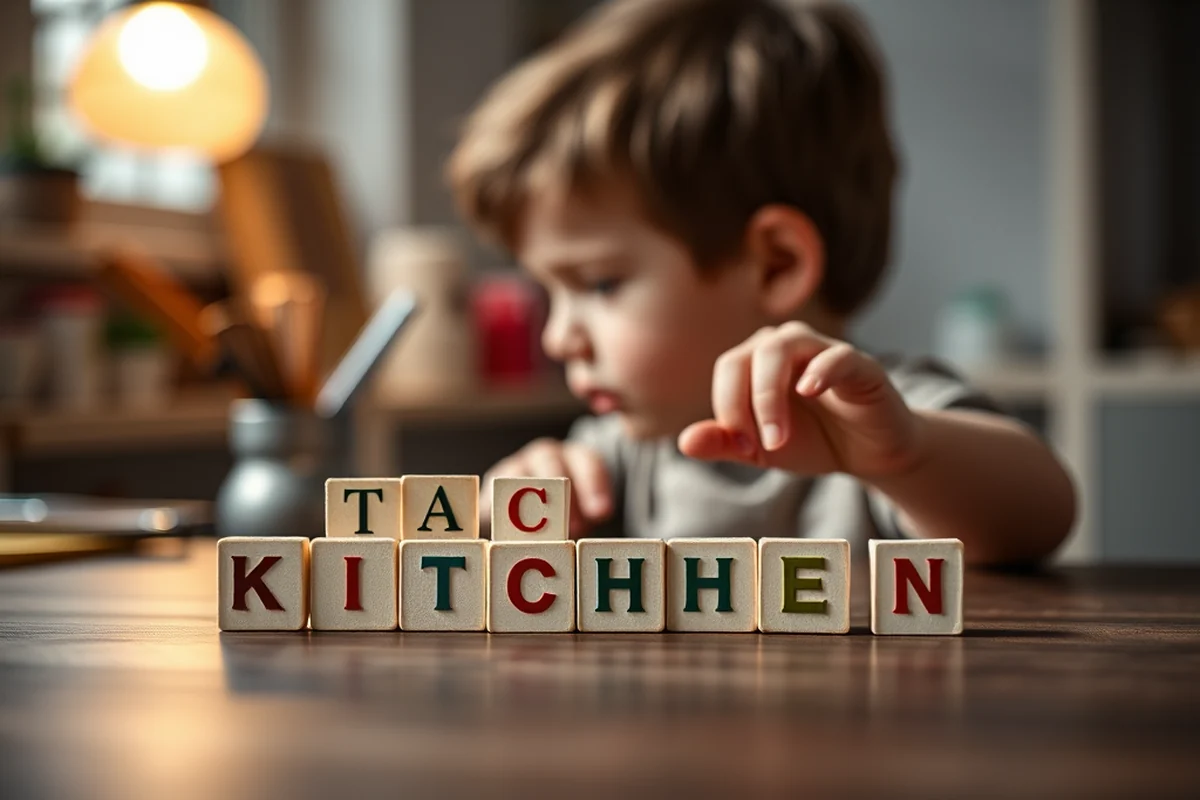
When children engage in pretend play, they're not just pretending — they're thinking, planning, and problem-solving. In kitchen architecture, this is especially evident as kids create functional spaces for imaginary characters. For example, they might design a kitchen for a fairy or a robot, which stretches their imagination and understanding of different perspectives.
I’ve noticed that when kids are in the zone of pretend play, they often forget they're learning. They're fully immersed in their world, making decisions, solving conflicts, and creating narratives. This deep engagement is one of the reasons why kitchen architecture is so effective as an educational tool.
Pretend play also helps kids develop empathy and social skills. When building a kitchen for a different character, they might consider that character’s needs, which builds a foundation for understanding others.
Pretend play is not just for fun — it's where learning happens.
Related: Kid friendly tea recipes
Related: Easy kid recipes to make
Related: Easy recipes for children s tiffin
Related: Kitchen for kids near me
Related: Teaching kitchen fort collins
How to Get Started with Kitchen Architecture
You don’t need a lot of resources to begin kitchen architecture. I’ve successfully used materials like cardboard boxes, paper rolls, tape, and even leftover fabric. The most important thing is to give kids the freedom to explore and create.
One of the best parts of starting with kitchen architecture is that it can be done in almost any space. A corner of the living room, a small table, or even the floor can become a kitchen. This flexibility makes it easy to incorporate into daily routines.
To get the most out of kitchen architecture, provide a variety of materials and encourage kids to think about what they want to build. I’ve found that when kids are given choices, they’re more engaged and creative in their designs.
Invite a parent or sibling to join the activity. Collaboration often leads to more complex and creative designs.
“I remember the first time I watched my daughter build a cardboard 'kitchen' in her bedroom — it was messy, it was loud, and it…”— Teaching Cooking to Kids editors
The Cognitive Benefits of Kitchen Architecture
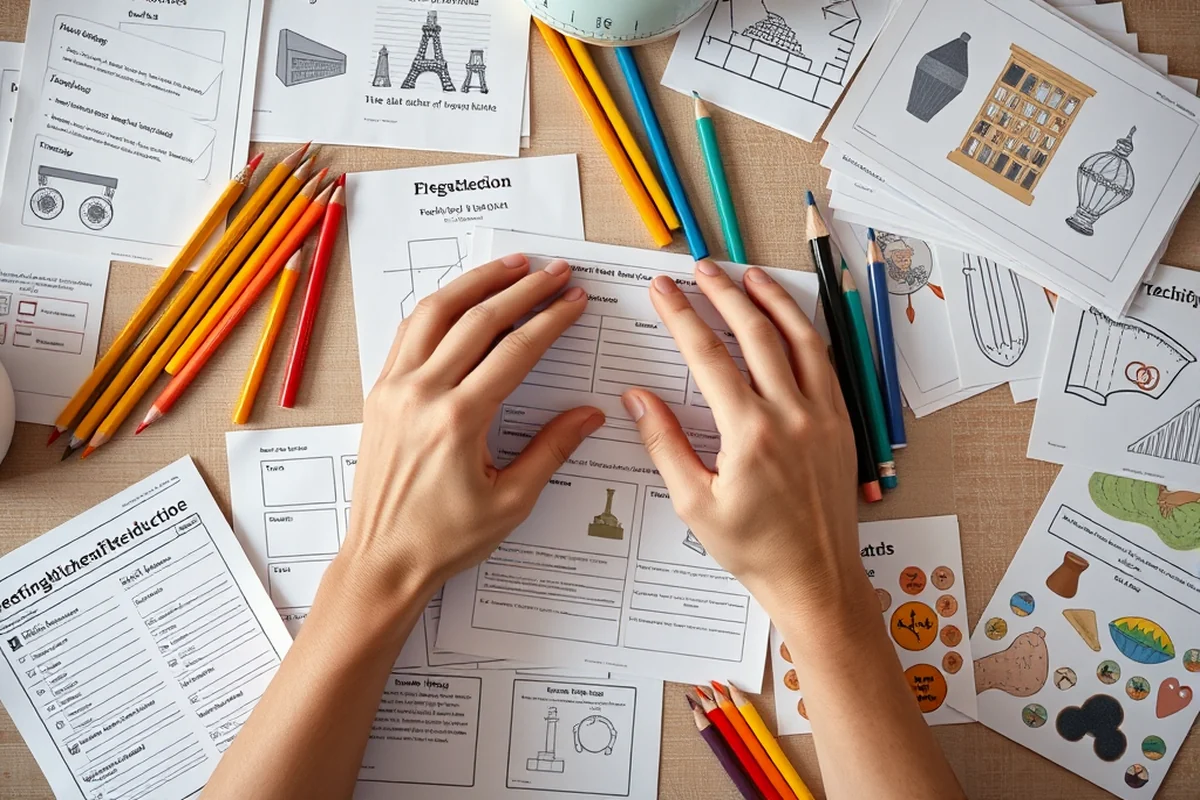
One of the most significant benefits of kitchen architecture is its impact on spatial reasoning. As kids build and arrange objects in a space, they're developing the ability to think in three dimensions. This is a critical skill that supports later learning in math, engineering, and even reading.
I've observed that children who regularly engage in kitchen architecture tend to approach problems with more confidence. They learn to think ahead, plan their designs, and adjust their plans as needed. This kind of flexible thinking is a key component of cognitive development.
Another benefit is the way kitchen architecture encourages children to think about the purpose of objects. A fridge isn't just a box — it's a place to store food, and in the context of a kitchen, it has a specific function. This helps build early understanding of categorization and organization.
Kitchen Architecture and Early Literacy
When children build a kitchen, they often create stories around it. They might write labels for the different items or create a menu for their imaginary restaurant. These activities naturally incorporate reading and writing, making literacy fun and engaging.
I've seen children label their cardboard appliances with letters and numbers, which helps reinforce early literacy skills. Even if they're not reading yet, they're learning about symbols, letters, and how they represent real things in the world.
Encouraging storytelling through kitchen architecture also helps children develop narrative skills. They might create a story about a hungry robot needing to cook a meal, which involves sequencing events and developing a plot.
Kitchen Architecture and Social Development
When children build a kitchen together, they have to negotiate, share ideas, and work as a team. This is a valuable opportunity for them to develop social skills in a natural and engaging way.
I've watched groups of kids transform a simple cardboard setup into a full restaurant, with each child taking on a role — chef, waiter, or customer. This kind of role-playing helps them understand different perspectives and build empathy.
Conflict resolution is another skill that can be developed through kitchen architecture. If two kids want to use the same box for different purposes, they have to find a compromise. This teaches them how to communicate and solve problems together.
Kitchen architecture is where friends are made and teamwork is learned.
Making It Last: How to Encourage Ongoing Engagement
It's important to keep kitchen architecture a regular part of a child's routine. Whether it's a weekly play session or a spontaneous activity, consistency helps build skills and habits. I’ve found that setting aside a specific time or place for kitchen architecture encourages children to look forward to it.
Encouraging reflection is another way to keep the activity engaging. After a play session, ask kids questions like, 'What did you like about your kitchen?' or 'What would you change next time?' This helps them think critically about their designs and builds metacognitive skills.
Involving children in the planning and setup of their kitchen architecture space can also increase their investment in the activity. Letting them choose where to place the kitchen or what materials to use gives them a sense of ownership and control.
🧸 Younger Kids (Ages 3-5)
Use large, easy-to-handle materials like cardboard boxes and fabric. Focus on simple shapes and pretend play.
🧱 Older Kids (Ages 6-8)
Introduce more complex designs and planning. Encourage labeling, measurements, and role-playing.
⏱️ No-Prep Version
Use items already in the home like boxes, paper, and fabric. No extra materials needed.
👥 Group Activity
Invite multiple children to collaborate on a larger kitchen design. Encourage teamwork and communication.
✨ Extension Activity
Add storytelling, writing, or drawing to the kitchen architecture experience. Encourage creativity and expression.
| The mistake | Why it happens | The fix |
|---|---|---|
| Overloading the space with too many materials. | Too many materials can overwhelm children and make it difficult for them to focus on the task at hand. | Start with a few key materials and gradually introduce more as the child becomes more comfortable with the activity. |
| Focusing too much on the end result rather than the process. | This can discourage the child and reduce the learning value of the activity. | Celebrate the process, not just the finished product. Ask questions and engage with the child’s ideas. |
| Not allowing the child to make mistakes. | Mistakes are a natural part of learning and creativity. Avoiding them can stifle innovation. | Encourage the child to try different approaches and accept mistakes as part of the learning process. |
Teaching Kitchen Architecture
Common Questions
What materials do I need to start kitchen architecture?
Can kitchen architecture be done with very young children?
How long does a kitchen architecture session typically last?
Can parents or teachers participate in kitchen architecture?
References
- clay county comprehensive architectural survey | nc hpo (hpo.nc.gov)
- Victory Forest Community Center - the City of Fort Worth (fortworthtexas.gov)
Cite this guide
Teaching Cooking to Kids (2026). Teaching Kitchen Architecture. https://mealnurture.com/teaching-kitchen-architecture/
Feel free to cite or share this guide.