
Learning To Cook
📖 Table of Contents
- Why Learning to Cook Matters for Kids
- The Cognitive Benefits of Cooking with Kids
- How Cooking Builds Emotional Intelligence
- Cooking as a Way to Teach Responsibility
- Cooking as a Creative Outlet for Kids
- The Social Benefits of Cooking with Kids
- How Cooking Supports Language Development
- Make It Your Way
- Frequently Asked Questions
I remember the first time my daughter asked me to show her how to make a sandwich — not just the act of spreading peanut butter on bread. The entire process of planning, measuring, and executing something that would nourish her body. It wasn’t just about food; it was about learning to cook, a skill that would shape her independence, confidence, and curiosity. Over the years, I’ve seen how early exposure to practical skills like this can unlock a world of opportunities for kids, from developing fine motor skills to learning about responsibility and creativity.
Learning to cook isn’t just about mastering recipes or kitchen tools; it’s about building life skills. When I started teaching my child to cook, I realized that the kitchen was a place where math, science, and problem-solving came to life — all in a way that felt natural and fun. We measured ingredients, discussed textures and temperatures, and even talked about where food comes from. It was an immersive, hands-on learning experience that stuck with her long after the lesson was over.[1]
As I watched my child grow more confident with each new skill she learned in the kitchen, I began to see a pattern. Teaching kids how to cook wasn’t just about food — it was about building self-efficacy, fostering creativity, and encouraging a lifelong love of learning. And that’s why I started this blog: to share the tools, techniques, and experiences that make learning to cook a meaningful and empowering journey for both kids and their parents.[2]
Why You'll Love This Activity
- Encourages hands-on learning and engagement
- Builds fine motor skills and coordination
- Fosters independence and confidence
- Creates opportunities for family bonding and shared experiences
Why Learning to Cook Matters for Kids
As of August 2026, when I first introduced my daughter to the kitchen, I wasn’t sure how she’d react. But within minutes, she was asking questions like, 'How do you know when the dough is ready?' and 'Why does this recipe use salt?' These moments revealed the depth of curiosity that comes with learning to cook. It wasn’t just about following steps — it was about understanding the 'why' behind each action.[3]
By engaging in the process of cooking, kids naturally learn to follow directions, measure ingredients, and solve problems. For example, if the dough is too sticky, they learn to adjust it by adding more flour. These small victories build a sense of accomplishment and resilience that translates into other areas of their lives.
I’ve noticed that my daughter now approaches tasks like tying shoelaces or organizing her toys with a similar level of focus and determination. It’s a testament to how learning to cook can be a powerful foundation for lifelong habits and skills.
Begin with activities like measuring or cutting soft foods. Use child-friendly tools like plastic knives and measuring cups to keep the experience safe and engaging.
The Cognitive Benefits of Cooking with Kids
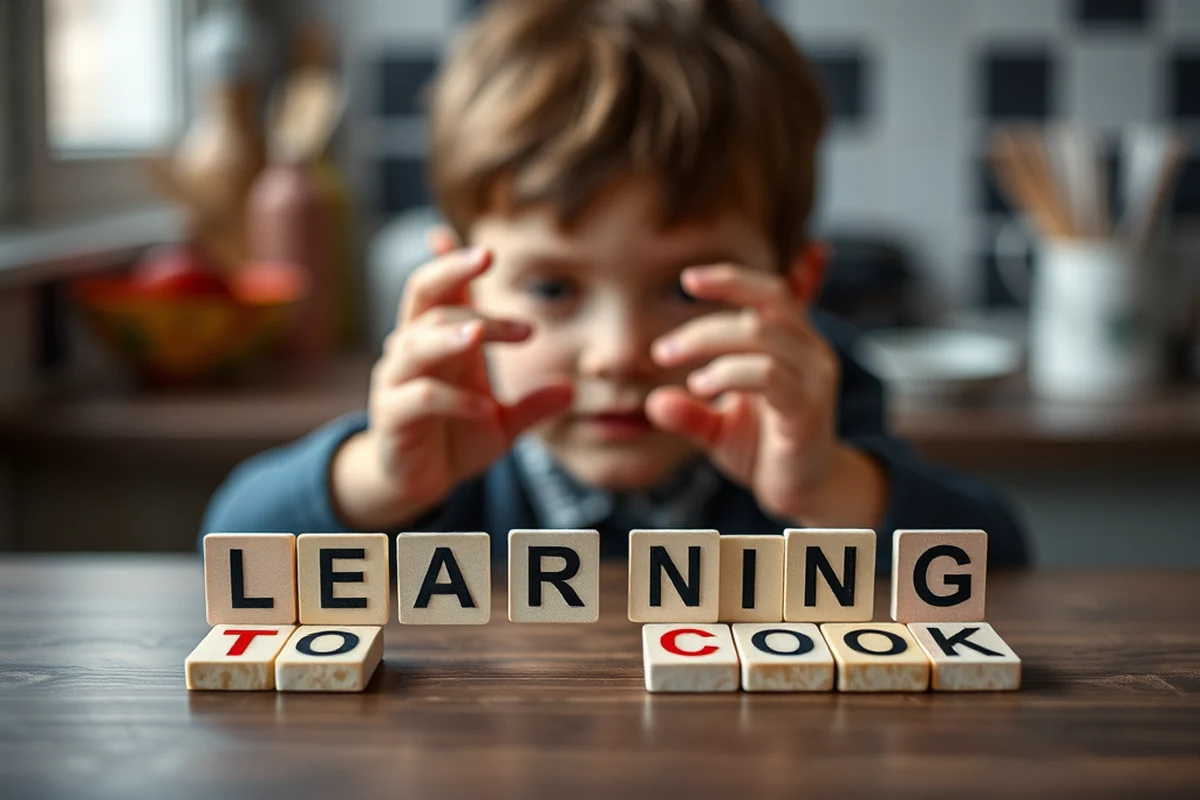
While I was cooking with my daughter one day, I noticed her counting out spoons and asking why we had to mix the ingredients in a certain order. It was a lightbulb moment for me — cooking isn’t just about food; it’s about learning. We were working on fractions, cause and effect, and even basic chemistry, all in a way that felt natural and fun.
I remember one day when she asked, 'Why does the sugar make the cookies sweet?' I used that moment to explain taste and texture, and she was fascinated. It was one of the first times I saw her connect abstract concepts to real-life experiences. That day, she learned about taste, texture, and even basic measurement, all through the simple act of baking.
Over time, I’ve seen how these lessons stay with her. She now understands that mixing ingredients in the right order is crucial, just as following instructions in school is. Cooking becomes a bridge between classroom learning and practical application.
Cooking with kids turns abstract concepts into tangible, memorable experiences.
Related: Kid friendly no cook recipes
Related: Easy kid christmas recipes no bake
Related: Easy kid dessert recipes no bake
Related: Cooking teaching job
Related: Cooking class to
How Cooking Builds Emotional Intelligence
One of the most surprising benefits of cooking with my daughter was how it helped her manage frustration. When she was first learning to use a rolling pin, she got frustrated when the dough kept sticking. But through guided practice, she learned to take a deep breath and try again. It was a powerful lesson in perseverance and emotional regulation.
I also noticed how cooking became a bonding experience. We would work together on tasks like setting the table or cleaning up after a meal. These small moments of collaboration helped build her social skills and taught her the value of teamwork and communication.
Even when we had setbacks, like burning a dish or mismeasuring an ingredient, we handled them as a team. These experiences taught her that mistakes are part of the learning process and that working through challenges together is a strength.
When things go wrong in the kitchen, use it as a learning moment. Ask open-ended questions like, 'What do you think went wrong?' or 'How can we fix it?' This helps kids develop resilience and problem-solving skills.
“I remember the first time my daughter asked me to show her how to make a sandwich — not just the act of spreading peanut…”— Teaching Cooking to Kids editors
Cooking as a Way to Teach Responsibility
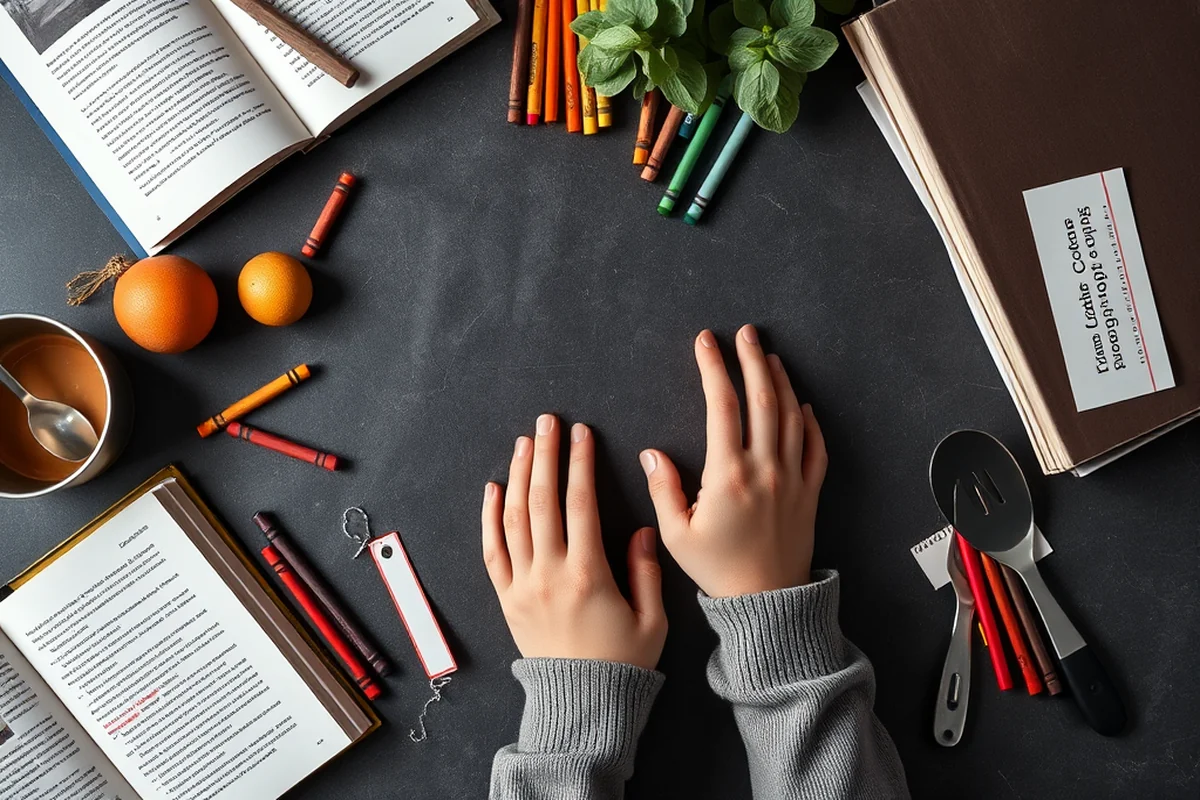
When I started involving my daughter in everyday kitchen tasks, like washing vegetables or setting the table, I saw a shift in how she approached her responsibilities. She began to understand that her actions had real consequences — like making dinner for the family or keeping the kitchen clean.
One day, I asked her to help prepare a meal. She was hesitant at first, but once she saw how much she could contribute, she became more confident and eager to help. It was a powerful moment that reinforced the idea that every task, no matter how small, has value.
Over time, I’ve noticed that she now takes pride in her ability to help and has even started taking initiative with tasks like organizing her backpack or tidying up her room. Cooking taught her that responsibility is a skill that extends far beyond the kitchen.
Cooking as a Creative Outlet for Kids
One of the most rewarding aspects of cooking with my daughter has been watching her express her creativity in the kitchen. Whether it was choosing the colors of the food or coming up with her own recipe, she was always excited to experiment. It was a way for her to explore her imagination and see the results of her ideas in real time.
I remember one day when she wanted to make a 'rainbow smoothie' with all the different fruits she could find. It was a messy and messy experience, but she was thrilled with the result. Cooking became a canvas for her creativity, and I saw how proud she was of her unique creation.
Even as she grew older, she continued to experiment with different ingredients and recipes. Cooking became a way for her to express herself and take ownership of her ideas — a skill that would serve her well in school and beyond.
The Social Benefits of Cooking with Kids
Cooking with my daughter has been a great way for us to bond and share experiences. We often talk about the process, discuss what we're making, and even laugh about the mistakes we make along the way. It’s a time of connection that we both cherish.
One of the most memorable moments was when we invited her friends over for a cooking session. We worked together on a simple recipe, and the kids had a blast. It was a great opportunity for them to learn teamwork and communication skills in a fun, hands-on environment.
Through these shared experiences, my daughter learned how to collaborate, listen to others, and express her ideas. These social skills have translated into other areas of her life, from school projects to group activities.
Cooking with kids turns the kitchen into a space for connection and collaboration.
How Cooking Supports Language Development
When I cook with my daughter, I use this time to expand her vocabulary. We talk about the ingredients, the tools, and the steps we’re taking. I ask her questions like, 'What color is this?' or 'What does this smell like?' These conversations help her build language skills in a natural and engaging way.
One of the most interesting parts of this process has been watching her describe the textures and flavors of different foods. She now uses words like 'crunchy,' 'smooth,' and 'sour' with confidence, and it’s been a joy to see her language skills grow through these experiences.
I’ve also noticed that she’s more curious about the world around her and asks more questions than ever before. Cooking has become a way for her to explore language, express herself, and connect with others through meaningful conversation.
🧱 Kitchen Helper for Toddlers
A simple activity for younger kids focused on exploring textures and colors through safe, sensory-based tasks.
🧑🍳 Junior Chef for Older Kids
An advanced activity for older kids that includes measuring, mixing, and following multi-step instructions.
🧾 No-Prep Cooking Play
A fun, mess-free version that uses printable templates and pre-cut materials to keep the activity accessible and easy to manage.
👥 Group Cooking Challenge
A collaborative activity designed for multiple kids to work together on a shared task, encouraging teamwork and communication.
🔬 Culinary Science Exploration
An extension activity that introduces basic science concepts through cooking, such as reactions, changes of state, and chemical processes.
| The mistake | Why it happens | The fix |
|---|---|---|
| Not allowing the child to make mistakes | Forcing the child to follow directions perfectly can stifle creativity and prevent them from learning from their errors. | Encourage the child to explore and make mistakes, then guide them toward solutions in a supportive way. |
| Overloading the child with complex tasks | Assigning too many or too difficult tasks at once can overwhelm the child and lead to frustration. | Start with simple tasks and gradually increase the difficulty as the child gains confidence and skills. |
Learning To Cook
Common Questions
What age is this activity best for?
Do I need any special equipment for this activity?
Can I do this activity with a large group of kids?
What if my child gets frustrated with the activity?
References
- New York State Early Learning Guidelines (ccf.ny.gov)
- Guidelines for Early Learning in Child Care Home Settings (cde.ca.gov)
- Finding my own way in the kitchen from maternal ... - ScienceDirect (sciencedirect.com)
Cite this guide
Teaching Cooking to Kids (2026). Learning To Cook. https://mealnurture.com/learning-to-cook/
Feel free to cite or share this guide.