
Teaching Kitchen Dimensions
📖 Table of Contents
I remember the first time my son asked, 'Why is the stove so far from the counter?' It was a simple question. It opened a conversation about kitchen dimensions — something I had never really considered before. Teaching kids about the layout of a kitchen isn't just about measurements; it's about understanding the relationship between space and function. By talking through how a refrigerator fits next to a sink or why a counter needs to be at a certain height, we're helping children build spatial awareness, problem-solving skills. A deeper understanding of the built environment.
In my own home, I've created a small, kid-friendly zone with a mini table and a few stools. This allows my children to play with kitchen tools and even practice simple tasks like pouring water or stacking bowls. It's not about cooking, but about using real tools in a space that's designed for them. By introducing the concept of scale and proportion in a hands-on way, I’ve seen their confidence grow — not just in the kitchen, but in other areas of learning.
Teaching kitchen dimensions is more than just a fun exercise; it's an opportunity to introduce fundamental concepts in math, engineering, and design. Whether we're drawing a floor plan, discussing the best place for a dish rack, or exploring how much space a microwave needs to sit comfortably, these activities blend creativity with critical thinking. As a parent and educator, I've found that focusing on the spatial relationships in the kitchen helps kids build a practical understanding of the world around them — one that they can apply in countless other situations.[1]
Why You'll Love This Activity
- Encourages spatial reasoning and problem-solving from an early age
- Integrates math concepts like measurement and geometry in a real-world context
- Builds confidence through hands-on exploration and creativity
- Can be adapted for any age or learning environment
Introducing the Concept of Scale
As of August 2026, when I introduced the concept of scale to my children, I started by asking them to compare the size of a kitchen chair to their own height. Using a measuring tape, we marked the exact height of the chair, then compared it to their own measurements. This helped them grasp the idea of proportion in a way that was both visual and tactile.
To make the lesson more engaging, I created a scale drawing of our kitchen using graph paper. Each square represented one foot, and the kids had to place items like the sink, refrigerator, and table in the correct positions based on their real measurements. It was surprising how quickly they picked up on the idea of spatial relationships.
After a few sessions, my children began asking questions like, 'How big is the microwave compared to the oven?' and 'Why does the table need to be so far from the walls?' These questions showed that they were not only understanding the concept of scale but also applying it to their environment.
Use household items that are already in the kitchen to help kids understand scale. Measuring a table, a chair, or even the distance between two cabinets can be a great starting point.
Part of our Teaching kitchen guide.
Building with Blocks and Blueprints
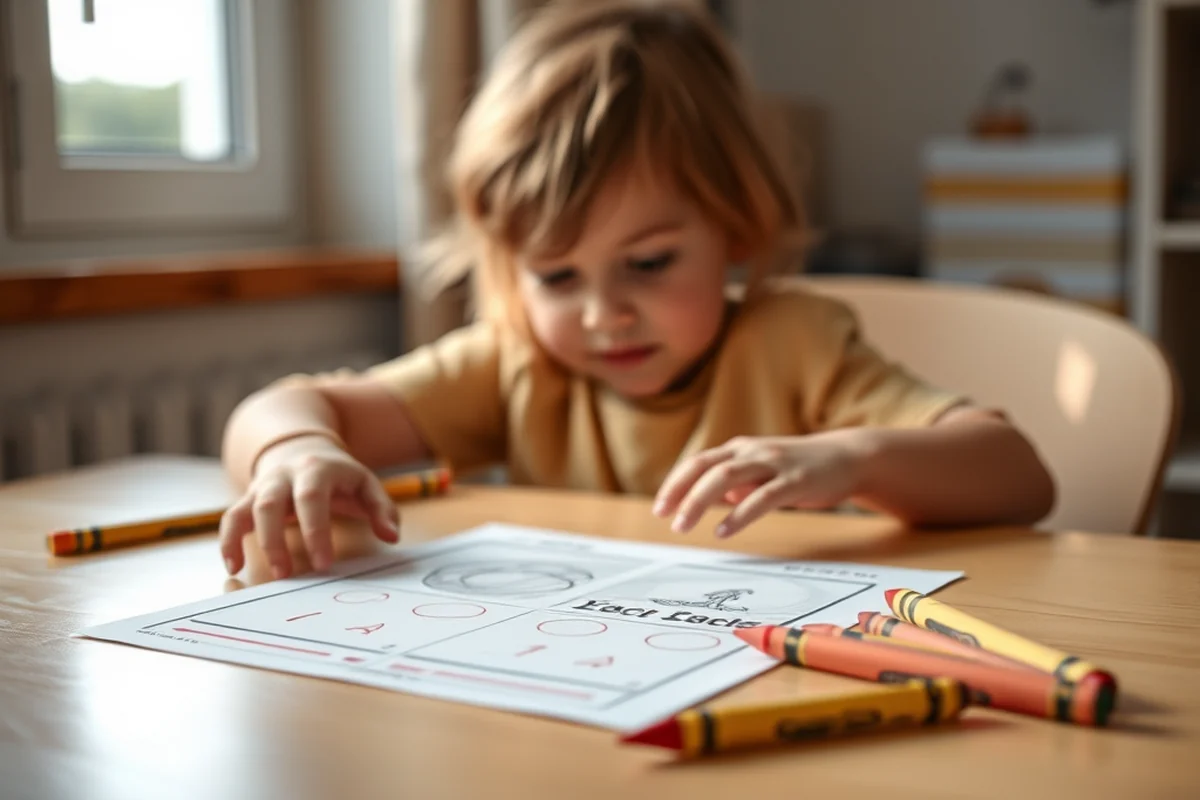
I set up a small area with building blocks and toy furniture, allowing my kids to recreate a kitchen layout. They had to decide where to place the refrigerator, sink, and table, considering how much space each item needed. This was a hands-on way for them to practice spatial planning and understand the practical implications of kitchen design.
One of the most valuable parts of this exercise was when my son realized that if the table was too close to the wall, there wouldn’t be enough room for people to sit comfortably. It was a real-life example of how dimensions impact the usability of a space.
We also used blueprints to draw out the layout of their block kitchen. This helped them see the relationship between their three-dimensional model and the two-dimensional plan, reinforcing the concept of scale in a different format.
A block kitchen is a miniature world of problem-solving and spatial awareness.
Related: Teaching kitchen atlanta
Related: Easy kids recipes no oven
Related: Teaching kitchen grants
Measuring Real Objects in the Home
I asked my children to measure various objects in our home — from the height of the door frame to the width of the bookshelf. They used rulers, measuring tapes, and even their own hands to estimate the sizes. This activity helped them understand how measurements are used in everyday life.
One of the most interesting moments was when my daughter realized that the height of the bookshelf was the same as the length of her foot. It was a simple discovery, but it showed her how measurements can be related to things she already knows.
By the end of the activity, my children were confidently using terms like 'inches,' 'feet,' and 'centimeters' in their daily conversations, showing that the learning was not only fun but also effective.
Before introducing traditional tools, use the child’s body parts as a measuring guide. For example, show them how many hand spans fit across a countertop or how many steps it takes to walk from one side of the room to the other.
“I remember the first time my son asked, 'Why is the stove so far from the counter?' It was a simple question, but it opened…”— Teaching Cooking to Kids editors
Related: Teaching kitchen design
Related: Easy kid recipes to make
Designing a Dream Kitchen
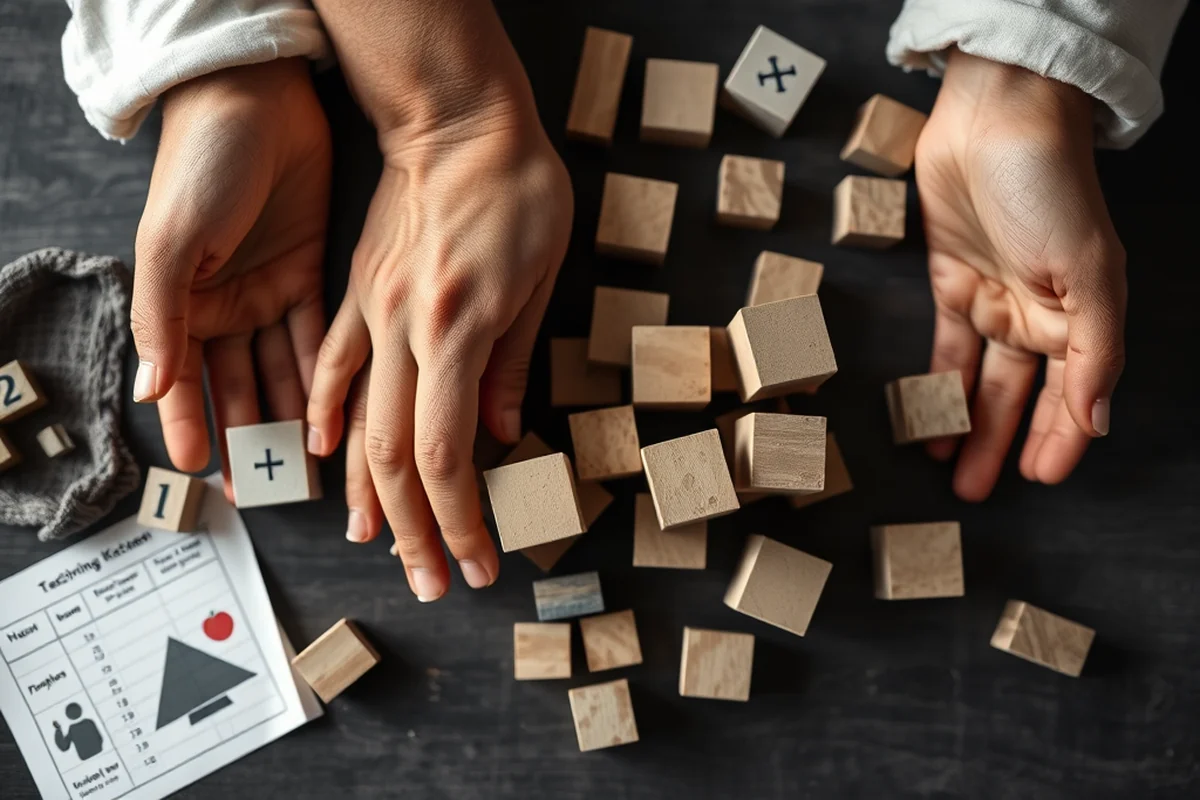
I gave my children the task of designing their dream kitchen using paper, markers, and rulers. They had to decide where to place the appliances, how much counter space they needed, and even the height of the shelves. This was a great way to see how they applied their knowledge of dimensions in a creative context.
One of my children wanted a kitchen with a long counter that ran the entire length of the room. After discussing the practicality of such a design, we explored how much space would be needed and what compromises could be made. This helped them understand the balance between desire and functionality.
The project ended with each child presenting their dream kitchen layout. Some had included a large island, others had opted for more storage space, but all of them had considered the dimensions of the space they were designing.
Comparing Spaces
I asked my children to compare the dimensions of the kitchen with other rooms in our home, like the living room and the bathroom. Using rulers and measuring tapes, they measured the length and width of each space and recorded their findings. This helped them see how different rooms have different spatial requirements.
One of my children was surprised to learn that the kitchen, although small, had a similar floor area to the living room, but the layout was much more compact. This discussion opened the door to a conversation about efficiency in space design.
By the end of the activity, my children could easily explain the differences in room sizes and how the dimensions affected the use of space. It was a great example of how real-world comparisons can reinforce learning.
Exploring Symmetry in the Kitchen
I introduced my children to the concept of symmetry by asking them to look at the layout of our kitchen and identify symmetrical features. We focused on the placement of cabinets, the alignment of the sink and stove, and how the countertops were arranged.
One of my children noticed that the cabinets on either side of the kitchen were the same height and width. This was a great observation, and we discussed how symmetry contributes to the overall appearance and functionality of a space.
To take the activity further, we used mirrors to see how the layout looked from different angles. This helped them understand the importance of balance and how it affects the visual and functional aspects of a room.
Symmetry is not just for art — it's a key part of kitchen design.
Practicing Estimation and Measurement
I encouraged my children to estimate the dimensions of objects before measuring them. This helped them build their spatial intuition and understand the relationship between estimation and exact measurement.
One of the most interesting moments was when my son estimated the width of the table and then found out that he was only 3 inches off. This small victory helped him see that estimation is a valuable skill, even if it’s not always exact.
We also practiced measuring the same object multiple times to see if we could get consistent results. This reinforced the idea that accuracy is important, but so is patience and practice.
🧱 Younger Kids: Hands-On Play
Use building blocks, toy furniture, and simple measuring tools to introduce the concept of size and scale.
📐 Older Kids: Blueprint Design
Have them create a blueprint of a kitchen layout using graph paper and rulers to practice spatial planning.
👀 No-Prep Version: Observation and Discussion
Encourage kids to observe and discuss the dimensions of objects in the home without any materials.
👥 Group Activity: Collaborative Layout
Have a group of kids work together to design a kitchen layout, practicing teamwork and spatial reasoning.
📏 Extension Activity: Comparing Rooms
Have kids compare the dimensions of different rooms in the home to understand how space is used.
| The mistake | Why it happens | The fix |
|---|---|---|
| Not providing enough context or explanation | Kids may not understand the purpose of the activity if it's introduced without proper context or explanation. | Start by explaining the goal of the activity and how it relates to real-life spatial reasoning and problem-solving. |
| Overcomplicating the task | Introducing too many concepts at once can overwhelm young learners and make the activity less effective. | Break the activity into smaller, manageable steps and focus on one concept at a time. |
| Ignoring the child's curiosity | Children often ask questions that reveal their understanding or confusion. Ignoring these questions can prevent meaningful learning. |
Teaching Kitchen Dimensions
Common Questions
How can I make this activity more engaging for my child?
What age is this activity best for?
Do I need any special tools or materials?
How can I reinforce what my child is learning outside of the activity?
References
Cite this guide
Teaching Cooking to Kids (2026). Teaching Kitchen Dimensions. https://mealnurture.com/teaching-kitchen-dimensions/
Feel free to cite or share this guide.