
Cooking Classes For Kids With Disabilities
📖 Table of Contents
- What Cooking Classes for Kids with Disabilities Actually Look Like
- How Cooking Classes Support Development
- Creating an Inclusive Kitchen at Home or in the Classroom
- The Role of Teachers and Caregivers in Cooking Classes
- What to Expect When Enrolling in a Cooking Class
- The Long-Term Benefits of Cooking Classes for Kids with Disabilities
- How to Get Started with Cooking Classes for Kids with Disabilities
- Make It Your Way
- Frequently Asked Questions
I remember the first time I walked into a cooking class for kids with disabilities — the room was filled with the sound of laughter, clinking spoons, and the occasional exclamation of surprise. I wasn’t sure what to expect, but what I found was a space where kids weren’t just learning to cook; they were learning to build confidence, independence, and a sense of belonging. Cooking classes for kids with disabilities are more than just lessons in the kitchen — they’re a gateway to self-expression, socialization, and the joy of mastering a new skill.[1]
These classes often incorporate sensory activities, adapted tools, and clear, step-by-step instructions to make every child feel capable and empowered. I’ve seen kids with motor challenges use adaptive utensils to stir batter, and kids with cognitive delays learn to follow recipes through visual schedules and repetition. It’s not about perfection — it’s about progress, and that makes all the difference.[2]
If you’re thinking about enrolling your child in a cooking class, or if you're a teacher or caregiver looking for educational resources, this article is for you. We’ll explore what cooking classes for kids with disabilities really look like, how they benefit development, and how you can create a similar experience at home or in the classroom.
Why You'll Love This Educational Approach
- Encourages sensory and motor skill development through hands-on activities
- Promotes social interaction and teamwork in a structured, supportive environment
- Boosts self-esteem and independence by allowing kids to complete tasks successfully
- Provides a creative outlet and a way to explore new skills in a fun, engaging way
What Cooking Classes for Kids with Disabilities Actually Look Like
As of September 2026, I’ve been inside classrooms where kids use adaptive tools like weighted spoons, textured cutting boards, and modified measuring cups. These tools help children with fine motor difficulties or sensory processing challenges engage with the activity in a way that feels manageable and rewarding.[3]
The instructors are trained to break tasks into smaller, achievable steps. For example, instead of asking a child to measure out a whole cup of flour, the teacher might start with half a cup and build up gradually. This method helps children feel successful without being overwhelmed.
The environment is usually calm, with minimal distractions, and the lesson plans are structured to allow kids to move at their own pace. Visual aids, like picture schedules or color-coded instructions, help many students stay on track and understand what’s expected of them.
Create a simple visual schedule with pictures or icons for each step of the activity. This helps kids with disabilities understand the sequence of tasks and reduces anxiety.
How Cooking Classes Support Development
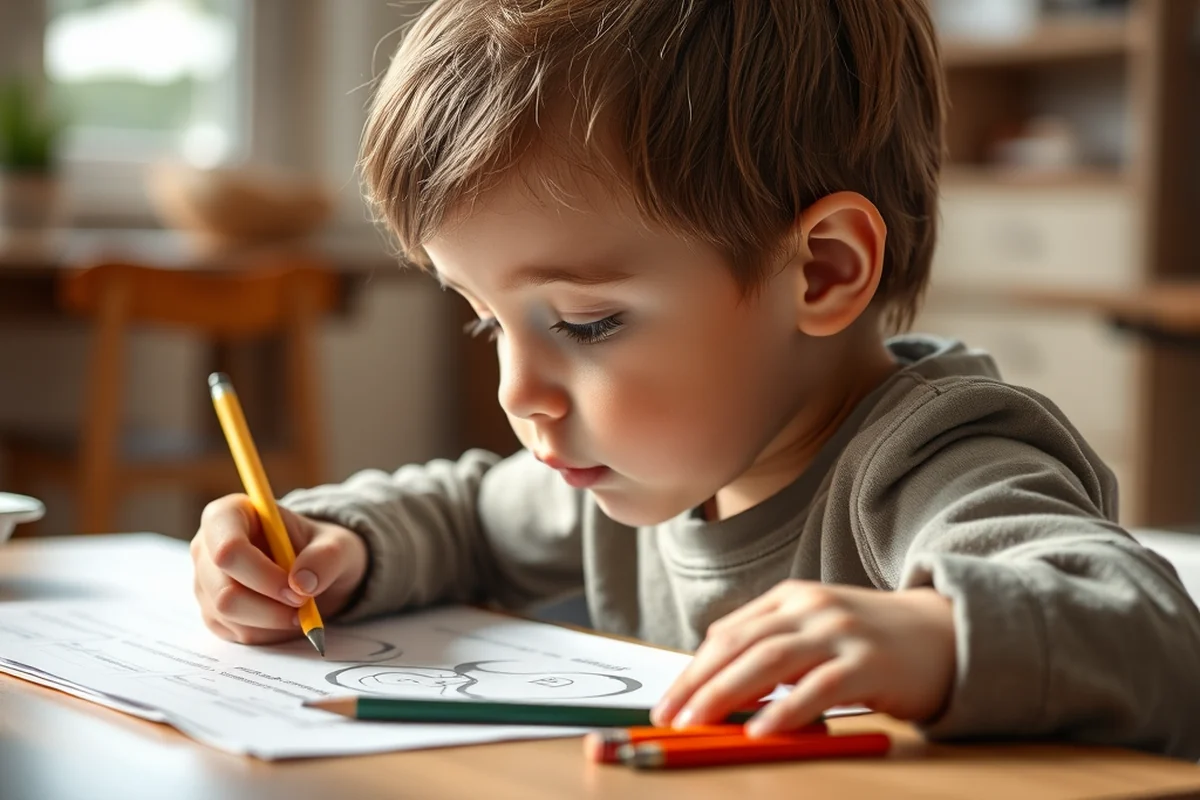
When kids use their hands to mix, stir, or cut — even with adaptive tools — they’re building fine motor strength and hand-eye coordination. For children with limited mobility, these activities can be adapted to include using their feet or mouth, depending on their abilities.
Communication also plays a big role. Kids often need to ask for help, give instructions, or express preferences, which helps them practice speaking, listening, and following directions. Some classes even use sign language or picture-based communication to support non-verbal learners.
Cooking can also be a great way to teach emotional regulation. When a recipe doesn’t turn out as expected, or a task feels difficult, the class provides a safe space to express frustration and learn how to cope with setbacks.
Cooking is a form of emotional and physical play — and that's where the real learning happens.
Related: Cooking class kids
Related: Cooking class kids naperville
Related: Kids cooking class ridgewood nj
Related: Cooking class with kids near me
Related: Baking with toddlers easy recipes
Creating an Inclusive Kitchen at Home or in the Classroom
Start by gathering a few simple, adaptable tools. You don’t need to buy expensive equipment — items like silicone tongs, oversized spoons, and non-slip cutting boards can make a big difference. These tools are designed to be easier to grip and use, even for kids with limited dexterity.
Set up your kitchen space in a way that feels safe and inviting. Lower shelves, soft lighting, and a designated area with a table and chairs that accommodate different needs can help kids focus on the activity without feeling overwhelmed.
Use visual aids and clear instructions. Whether it’s a picture-based recipe or a step-by-step checklist, these tools help kids understand the process and feel more in control of their actions.
Encourage group activities where kids can work together to complete a task. This promotes social skills, collaboration, and shared learning — and it’s a lot more fun when done as a team.
“I remember the first time I walked into a cooking class for kids with disabilities — the room was filled with the sound of laughter…”— Teaching Cooking to Kids editors
The Role of Teachers and Caregivers in Cooking Classes
They’re responsible for adapting the activities to meet each child’s individual needs. This might involve modifying the lesson plan, providing extra support, or using different teaching strategies based on the child’s learning style.
Patience and flexibility are essential. Not every child will learn the same way or at the same pace, and that’s perfectly okay. The goal is to create a positive, supportive environment where everyone can participate and feel successful.
Caregivers and teachers also serve as role models, demonstrating how to approach tasks with curiosity, creativity, and perseverance. Their enthusiasm and encouragement can make a big difference in a child’s confidence and motivation.
What to Expect When Enrolling in a Cooking Class
Look for classes that emphasize participation over perfection and that are designed to be accessible for all abilities. A good program will have clear communication about how they adapt their lessons and what kind of support they provide.
Ask about the instructor’s experience working with kids with disabilities. Some programs may have specialized training in adaptive education or sensory integration, which can be a big advantage.
You should also consider the class size and the level of individual attention each child will receive. Smaller classes often allow for more personalized support and can be a better fit for kids who need more one-on-one assistance.
The Long-Term Benefits of Cooking Classes for Kids with Disabilities
Children who participate in these classes often develop greater independence as they learn to follow instructions, complete tasks, and manage their time. These skills can be applied in other areas of life, from school to daily routines.
Cooking classes also help kids build confidence and self-esteem. When a child successfully completes a task — like mixing a batter or using a spoon — it reinforces their belief in their own abilities and encourages them to take on new challenges.
These classes can also improve social skills, as kids learn how to work with others, share, and communicate effectively. These skills are essential for building relationships and participating in group activities in the future.
A little success in the kitchen can lead to big gains in life.
How to Get Started with Cooking Classes for Kids with Disabilities
If you’re looking for a program, start by asking local schools, community centers, or therapy providers for recommendations. Many organizations offer classes specifically designed for kids with disabilities.
You can also search online for programs in your area that focus on inclusive education and hands-on learning. Reading reviews or asking other parents for their experiences can help you find the right fit.
If you’re interested in creating a cooking activity at home, there are many free printable resources available online. These can help you design a lesson plan that’s tailored to your child’s needs and abilities.
🛠️ Adaptive Kitchen Setup
Use modified tools and a low-to-the-ground work surface for kids with mobility challenges.
🌈 Sensory-Friendly Recipes
Incorporate textured, scented, or visually stimulating materials to engage different senses.
⏱️ No-Prep Cooking Activities
Use ready-to-eat items like fruit or pre-cut vegetables for quick, easy lessons.
🤝 Group Cooking Challenge
Have kids work in pairs or small teams to complete a task, promoting collaboration and communication.
🎨 Creative Expression in the Kitchen
Encourage kids to use food to create art or decorations, fostering creativity and imagination.
| The mistake | Why it happens | The fix |
|---|---|---|
| Assuming all kids with disabilities have the same needs. | Every child is unique, and what works for one may not work for another. It’s important to personalize the experience based on each child’s abilities and preferences. | Get to know your child’s strengths and challenges, and tailor the activities to meet their individual needs. |
| Overloading the child with too many instructions or tasks at once. | This can be overwhelming and may lead to frustration or disengagement. | Break tasks into smaller steps and provide clear, simple instructions that are easy to follow. |
| Neglecting to provide enough support or encouragement. | Kids with disabilities may need more guidance, reassurance, and positive reinforcement to stay motivated and engaged. | Be patient, offer praise, and celebrate every small success — even if it’s just completing one step of a task. |
| Not creating an accessible and safe environment. | A cluttered or unsafe space can be distracting and may prevent kids from participating fully. | Set up a clean, organized workspace with tools and materials that are within reach and easy to use. |
Cooking Classes For Kids With Disabilities
Common Questions
Are cooking classes for kids with disabilities only for children with certain types of disabilities?
How can I find a cooking class for kids with disabilities in my area?
What if my child has a severe disability or limited mobility?
Can I create a cooking class at home for my child with a disability?
References
- Instructor Guide - Arizona Department of Economic Security (des.az.gov)
- Inclusion Works! Second Edition - California Department of Education (cde.ca.gov)
- Impact of Cooking Groups on Children and Adolescents with Intellectual ... (scholarworks.wmich.edu)
Cite this guide
Teaching Cooking to Kids (2026). Cooking Classes For Kids With Disabilities. https://mealnurture.com/cooking-classes-for-kids-with-disabilities/
Feel free to cite or share this guide.